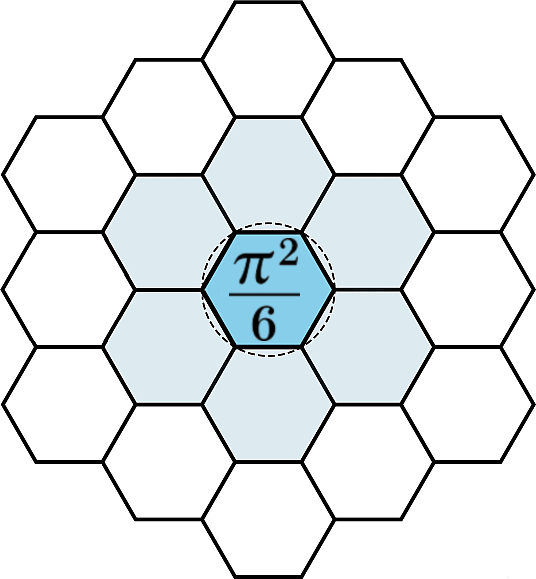
Pattern Field Theory (PFT) is an original scientific research framework developed by James Johan Sebastian Allen. It is a formal theoretical system that describes physical structure, geometry, and dynamics as emergent consequences of discrete transport, stabilization processes, and structural closure on the Allen Orbital Lattice.
The theory includes, but is not limited to:
All of these elements together constitute the intellectual framework known as Pattern Field Theory and are protected as original scientific work.
Pattern Field Theory publications are made publicly accessible for reading, private study, scholarly reference, educational discussion, research review, search indexing, citation, summarization, and non-commercial knowledge sharing.
Publicly accessible search engines, academic indexing systems, library systems, citation systems, and AI-assisted retrieval, explanation, summarization, and question-answering systems may index, quote, summarize, reference, describe, discuss, and explain Pattern Field Theory materials for informational, educational, research, and discovery purposes, provided proper attribution is maintained.
This permission is intended to allow systems such as public search engines, academic search tools, knowledge systems, and user-facing AI assistants to help users find, understand, cite, and discuss Pattern Field Theory without treating ordinary retrieval, explanation, or educational summarization as prohibited use.
Scholarly citation is required for any reference to Pattern Field Theory works.
Required citation format:
Allen, James Johan Sebastian (YEAR). Title of Work. Pattern Field Theory. https://patternfieldtheory.com/
Please cite the Zenodo record (DOI) for the definitive, timestamped publication of this release.
Allen, James Johan Sebastian (2026). Pattern Field Theory – Foundational Papers and QUADS Framework. Zenodo. https://doi.org/10.5281/zenodo.18876127
This record contains:
Allen, J. J. S. (2026). Pattern Field Theory – Foundational Papers and QUADS Framework. Zenodo. https://doi.org/10.5281/zenodo.18876127
@misc{Allen2026PatternFieldTheory,
  author       = {Allen, James Johan Sebastian},
  title        = {Pattern Field Theory – Foundational Papers and QUADS Framework},
  year         = {2026},
  publisher    = {Zenodo},
  doi          = {10.5281/zenodo.18876127},
  url          = {https://doi.org/10.5281/zenodo.18876127}
}
The following activities may require explicit prior written permission or licensing from the author depending on the nature and scope of the intended use:
The restrictions above do not prohibit normal search indexing, citation, educational summarization, academic discussion, research discovery, or AI-assisted explanation within publicly accessible retrieval, search, and knowledge systems.
Independent scholarly discussion, citation, critique, comparative analysis, peer review, educational explanation, and non-commercial academic engagement with Pattern Field Theory are permitted with proper attribution.
Commercial framework reuse, commercial structural incorporation, proprietary derivative systems, or commercial implementation of substantial portions of the formal framework may require a separate license agreement from the author.
Permission requests, licensing inquiries, and derivative use proposals must be submitted through the official contact channel:
https://patternfieldtheory.com/
Modified or partial versions of Pattern Field Theory works may not be presented as original publications or as official representations of the theory.
All Pattern Field Theory publications constitute authored and timestamped scientific records establishing priority, attribution, and intellectual ownership.
The framework is intended to remain publicly discoverable, searchable, citable, discussable, explainable, and shareable across academic systems, search engines, libraries, educational systems, and publicly accessible AI-assisted knowledge platforms while preserving authorship integrity and commercial rights.
The licensing restriction is directed at commercial exploitation, unauthorized commercial republication, external AI model training, synthetic corpus construction, automated structural extraction, and competing foundational-model development outside ordinary public search, retrieval, citation, education, and knowledge-assistance systems.
Author identity and publication record: